
By providing your details, you agree we can contact you regarding solar products and electricity plans from selected retailers
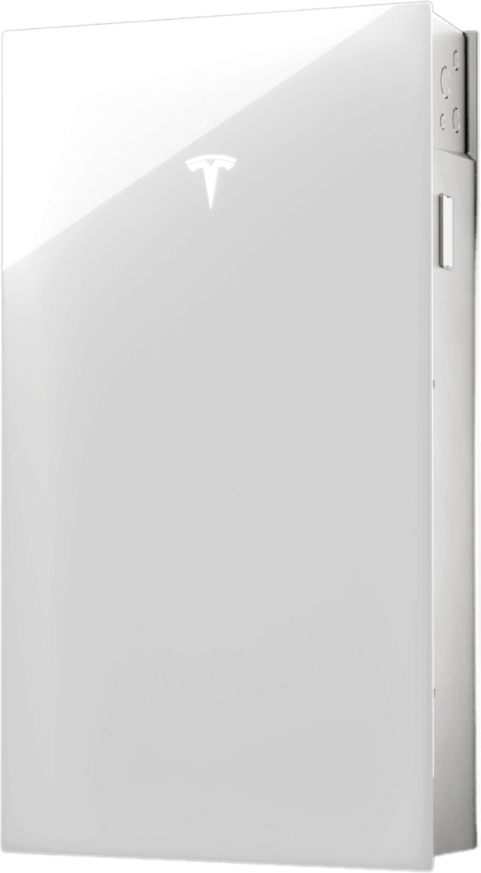
The new Federal Battery Rebate Program provides an upfront discount of $1,750 to $17,500 for the installation of battery systems. The exact rebate amount depends on the size and capacity of the battery, with larger systems like the Tesla Powerwall 3 (13.5KwH) receiving the upper-tier rebate due to its greater energy storage capacities.

Retail Price: The Tesla Powerwall 3 typically costs around $15,000 to $17,000, including installation
Federal Rebate: With the federal rebate of up to $4,500, the upfront cost can be reduced to $10,275 to $12,275.

Retail Price: The Tesla Powerwall 3 Expansion Pack is now available! Designed without the built-in inverter, it still offers the same 13.5 kWh capacity at a lower cost, making it the most affordable way to expand your Powerwall system for greater storage and bigger savings. Prices range from $13,000 to $15,000, and with rebates, you could pay as little as $8,725 to $10,275.
This immediate reduction in cost significantly improves the affordability of the Tesla Powerwall 3, making it easier for households and businesses to install high-capacity battery systems.
The incentive for connecting your battery to a Virtual Power Plant (VPP) got a major boost , almost doubling the upfront payment you could receive!
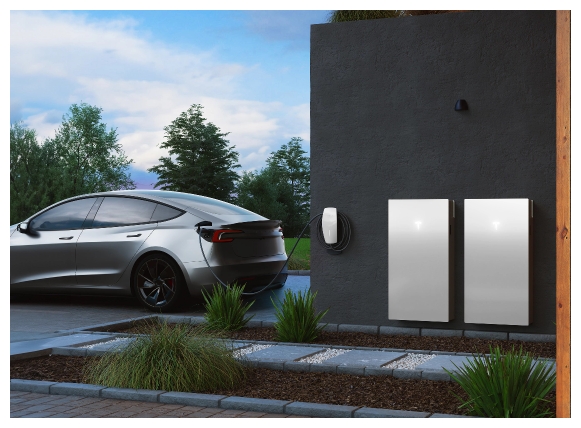
If you connect a 27 kWh battery to a VPP, your incentive could jump from up to $800 to up to $1,500, putting more money back in your pocket, simply for helping stabilise the energy grid.
Even better? You can combine this incentive with the Australian Government’s Cheaper Home Batteries Program, giving you even bigger savings on your battery system.
This incentive not only lowers the effective purchase price but also provides participants with extra income for allowing their battery to contribute energy to the grid during peak demand.

The Tesla Powerwall 3 allows homeowners to store excess solar energy generated during the day and use it during the night or in the event of power outages, drastically reducing reliance on the grid and lowering electricity bills. The energy storage capacity of the Powerwall 3 (13.5 kWh) is sufficient to power most households during non-daylight hours, and the extended capacity of the Powerwall 3 expansion pack would offer even greater storage potential.
Average Savings: Households with a Tesla Powerwall 3 can save up to $1,500 to $2,000 per year on energy bills by using stored solar energy instead of drawing from the grid, depending on their consumption patterns and energy rates.
• Return on Investment: Based on these energy savings, the payback period for a Tesla Powerwall 3 could be 6 to 8 years, factoring in the upfront rebates and VPP incentives. Larger households or those with higher energy consumption may see even faster returns.
By connecting the Tesla Powerwall to a VPP, households and businesses can sell excess energy back to the grid during periods of high demand. This not only provides backup power but also enables participants to earn extra income by helping stabilize the grid.
Estimated VPP Earnings: While exact figures depend on the VPP provider and energy trading rates, participants can potentially earn $100 to $300 per year by allowing their battery to participate in energy arbitrage. Over time, this can add up to several thousand dollars in additional income, further improving the system’s ROI.
When combining the Federal battery rebate, the VPP incentives, and the ongoing energy savings, a Tesla Powerwall 3 could offer a highly favourable ROI:
Upfront Savings: $4,500 (solar battery rebate) + $742 (VPP rebate over 6 years) = $5,467 in total upfront and incentive savings.
Annual Bill Reduction: Up to $1,500 to $2,000 per year in energy savings.
VPP Earnings: $100 to $300 annually from energy trading.
Upfront Savings: $17,000 (initial cost) – $5,467 (rebate and VPP savings) = $11,533 effective cost.
Annual Savings: $1,500 to $2,000
Upfront Savings: 4 to 6 years (based on energy savings alone, excluding VPP earnings).
Once the initial cost is recovered, households can enjoy nearly free energy storage and backup for the remaining life of the battery, which typically lasts
10 to 15 years. Moreover, additional VPP earnings will continue to improve financial returns beyond the payback period.
Given the attractive financial benefits of the Federal Battery Rebate and the popularity of Tesla Powerwalls, demand for installations is expected to be extremely high. With limited numbers of Accredited Certificate Providers (ACPs) authorised to provide these rebates and growing interest as the program’s launch date approaches, households are advised to pre-book their installations as soon as possible to secure a spot
Potential Delays: The surge in demand may lead to longer wait times for installations and could potentially deplete available rebates if the program reaches capacity. Acting quickly can ensure participants don’t miss out on these significant financial incentives.
The Federal Battery Rebate and NSW VPP incentives offer an excellent opportunity to install a Tesla Powerwall 3 at a significantly reduced cost. Combining upfront rebates, energy savings, and potential VPP income, the total ROI is highly favourable, with most households seeing payback within 6 to 8 years. With demand for these rebates expected to soar, acting swiftly is essential to securing these financial benefits and ensuring energy independence.
The Cheaper Home Batteries Program is a federal initiative that launched in July 2025, aimed at making battery storage systems more affordable for Australian households and small businesses. This program offers substantial rebates to encourage the adoption of home batteries, thereby enhancing energy independence and contributing to a more resilient electricity grid.
Reduced Upfront Costs: Significantly lowers the initial investment required for battery installation.
Enhanced Energy Independence: Allows households to store excess solar energy for use during peak times or outages.
Grid Support: Encourages participation in Virtual Power Plants (VPPs), contributing to grid stability and efficiency.
Environmental Impact: Promotes the use of renewable energy sources, reducing reliance on fossil fuels.
A Tesla Powerwall 3 (13.5 kWh) installed in a residential setting has a rebate amount of $4,500. If the battery is also connected to a VPP, it could generate additional rebate from the NSW VPP incentive.
For a Tesla Powerwall 3, priced at $17,000 fully installed, factoring in the solar battery rebate of $4,500 and the NSW VPP rebate of $742, the initial out-of-pocket cost is reduced to $11,533.
Assuming average annual electricity savings of $1,500, with a 5% annual electricity price escalation, here’s the return on investment (ROI) over 10 years:
Initial cost after rebates: $11,533.
Total savings over 10 years: $18,866.
Payback period: The system would pay for itself in approximately 6 years.
Net gain after 10 years: $7,333 in profit beyond the initial investment.
This makes the investment in a Tesla Powerwall 3 highly favourable, offering substantial long-term savings and a clear financial return.
By providing your details, you agree we can contact you regarding solar products and electricity plans from selected retailers
These costs are based on the SA Power network in Adelaide but prices may vary depending on your circumstances. This comparison assumes a general energy usage of 4000kWh/year for a residential customer on Energy Locals Time of Use Tariff – (TOU – Peak, Off-Peak & Solar Sponge).
The reference price is set by the Australian Energy Regulator (AER) for a financial year in relation to electricity supply to residential customers in the distribution region and is based on an assumed annual usage amount. Any difference between the reference price and the unconditional price of a plan is expressed as a percentage more or less than the reference price. The terms of any conditional discounts are shown, along with any further difference between the reference price and the discount applied if a condition is met, expressed as a percentage more or less than the reference price.